
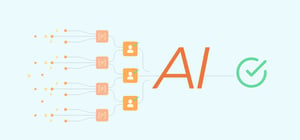
An underwriter fixes a field the AI got wrong on a submission. The next time a similar file comes in, the AI gets that field right on its own. Her correction didn't just fix one file. It taught the AI something it will use on every file after.
Insurance AI gets better over time by learning from the people who review its work, an approach called human-in-the-loop. A person reviews and confirms the AI's work before it's final, and every correction feeds back into the model through a controlled retraining process. As corrections add up, the AI makes fewer mistakes, and your team spends less time reviewing.
Most insurers have moved past asking whether AI can read a loss run, a carrier's record of a client's past claims, or classify a claim file. The harder question is what happens six months after go-live, when formats change, new carriers appear, and the team has made thousands of corrections. The answer decides whether AI keeps paying back or slowly turns into one more queue to manage. .
What Happens After Your Team Corrects the AI?
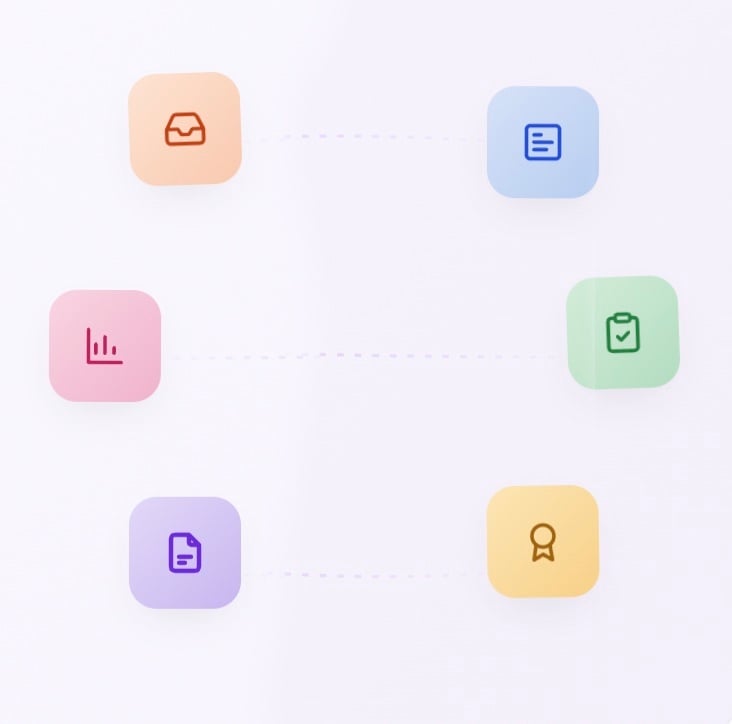
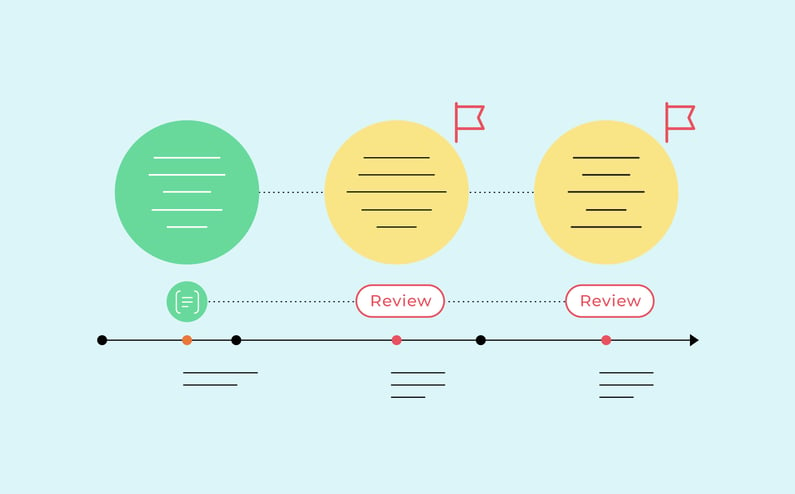
In a well-built system, every correction moves through five steps that turn one fix into a better AI model.
-
The AI flags work for review. Every extracted field carries a confidence score, a 0 to 100 rating of how sure the model is about its answer. Fields below the threshold your team sets go to a reviewer.
-
The reviewer checks the source and fixes the field. Good review screens show exactly where in the file the AI found each value, so verification takes seconds instead of a page-by-page search.
-
The system records the change. It logs the original output, the corrected value, who made the change, and when.
-
The correction feeds retraining.
-
The system tests the updated model before release.
Plenty of tools let reviewers fix fields. Far fewer turn those fixes into improvements that show up on the next run.
More Work Moves Through Untouched as Insurance AI Learns
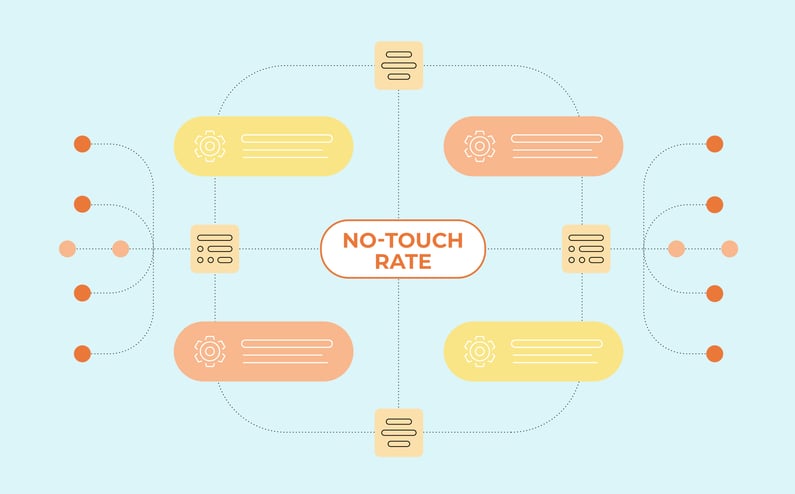
The clearest sign that insurance AI is learning is that more work moves through without anyone touching it. As the model absorbs your team's corrections, more fields clear the confidence threshold, and fewer items need a person.
That share of untouched work is the no-touch rate, sometimes called straight-through processing (STP), and it depends on where you set the threshold. A higher threshold sends more fields to review and catches more errors. A lower one lets more work through but accepts more risk. A learning system lets you raise your no-touch rate without lowering the bar.
Governed Learning Keeps Model Improvements Safe
AI that learns from corrections should never learn instantly. If every edit changed the model on the spot, one wrong correction from a tired reviewer could spread across thousands of files before anyone noticed.
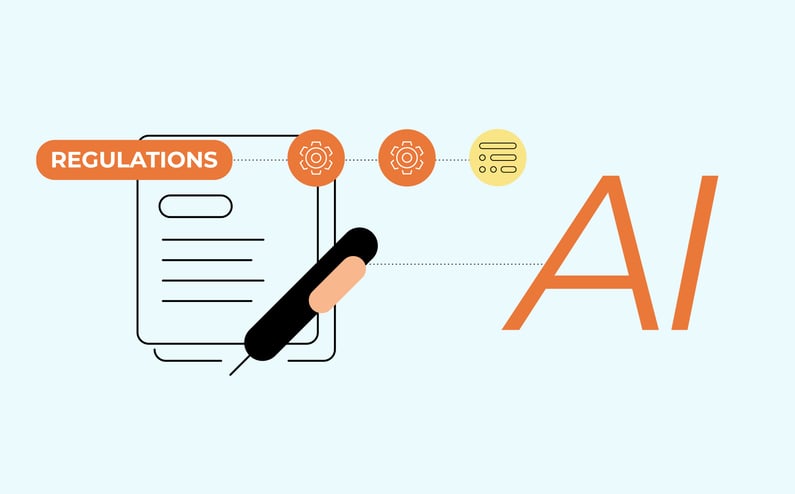
Governed learning, a controlled process for updating the model, prevents that. The system collects corrections, uses them to retrain the model, and tests each new version against verified results before it goes live. Only versions that perform better replace the current model, and the system tracks every version, so if performance slips, you know exactly what changed and when.
Corrections also work as an early warning for model drift, the gradual decline in a model's performance as the data it sees moves away from the data it learned from. A spike in corrections on one field often means a carrier changed its format. That's drift you can catch and fix before it spreads.
Regulators are paying attention to this. The National Association of Insurance Commissioners (NAIC) has made drift part of its guidance on how insurers use AI, and at its spring 2026 meeting, NAIC staff urged insurers to describe how they test for drift. A learning loop with testing, version control, and a full audit trail gives you that answer.
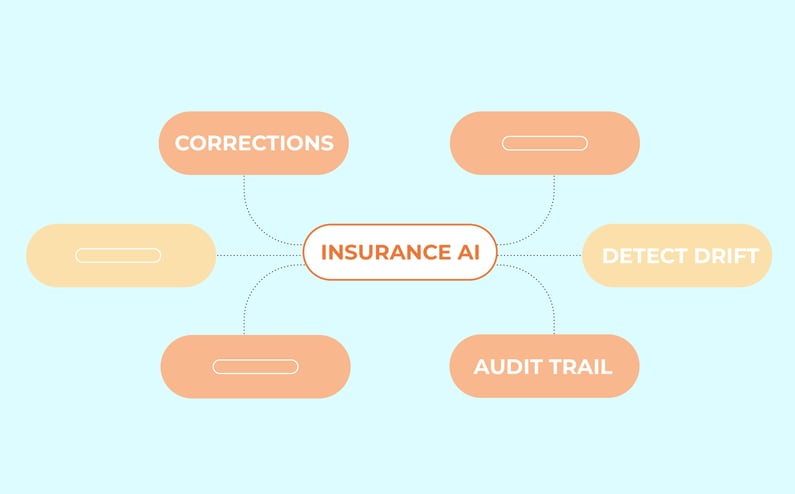
Six Questions That Show Whether Insurance AI Actually Learns
Every vendor says its AI improves over time. These questions show whether it does.
-
Where do corrections go after a reviewer submits them?
-
How do models retrain, and what testing happens before you deploy a new version?
-
Will we be able to track our no-touch rate over time?
-
How do you detect drift, and what happens when you find it?
-
Can you show accuracy graded against verified answers, month by month?
-
What does the audit trail capture for each correction?
Vague answers to the first three usually mean corrections fix files, not models. A strong answer walks you through the full path, from a reviewer's edit to a tested model version in production. It also comes with reporting your own team can check, so you can confirm the improvement instead of taking the vendor's word for it. .
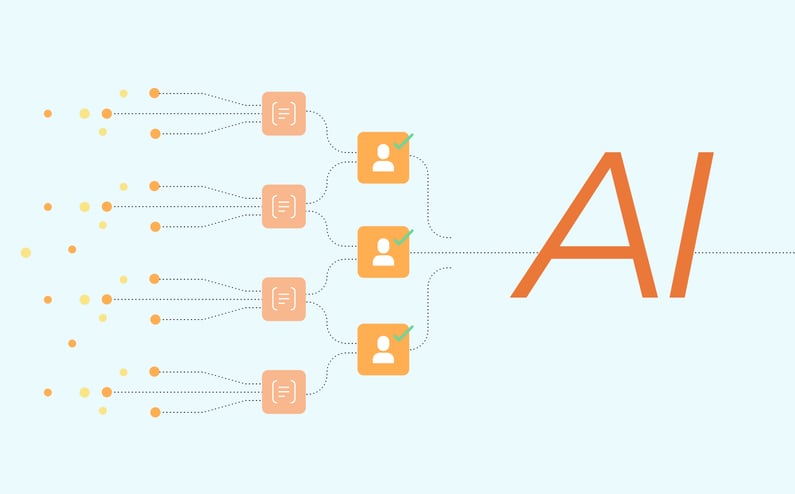
Don't judge insurance AI by how it performs on day one. Judge it by whether your team's expertise is still paying off a year later. Every correction an adjuster or underwriter makes holds knowledge that no general-purpose model has, and the right system keeps that knowledge instead of throwing it away.
Ask where corrections go, and you'll learn quickly whether you're buying AI that grows with your team or a review queue that never gets shorter. .