

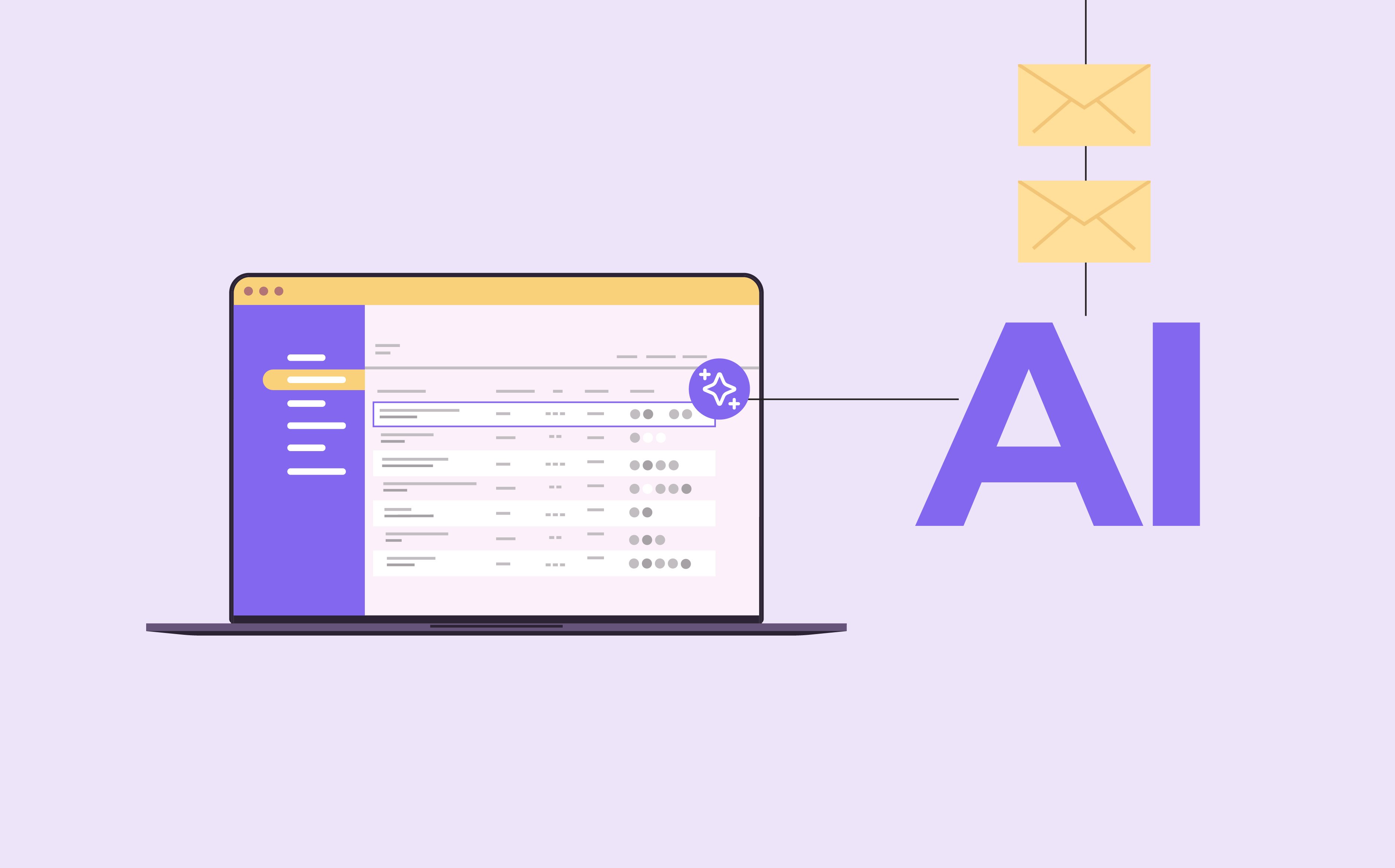
Every day, an insurer's inboxes fill with broker submissions, loss reports, repair estimates, and medical bills. Each one carries the data behind an underwriting or claims decision. None of it lives in the core system yet.
AI from your core system vendor isn't enough for intake. It only acts on data already in the system, so it can't reach the emails and attachments where underwriting and claims work begins. That's why insurance AI should start in the inbox.
Core system vendors now build AI into their platforms, and many insurers assume that's the natural place to start. Most insurers will use both. The question is which one goes first.

Underwriting and Claims Work Starts in the Inbox
Most underwriting and claims work begins as an email with attachments. The core system tracks the work, but it doesn't receive it.
On the underwriting side, a submission arrives with ACORD forms, schedules, and loss runs. On the claims side, first notice of loss (FNOL) arrives with photos, police reports, medical bills, or repair estimates. The mix changes with every line of business and every sender.
At carriers, MGAs, and TPAs alike, underwriting assistants, operations teams, and offshore queues convert that data by hand. Underwriters and adjusters often recheck it because they don't fully trust what the team keyed in, so insurers pay for the same work twice.
That's where AI returns the most capacity. Submission intake automation and claims automation both pay off at this step, because volume is highest and judgment is lowest.
The goal is to give underwriters and adjusters complete, accurate data so they can focus on the work that needs judgment.
Core Vendor AI Starts After the Manual Work Is Done
Core vendor AI is built to make the system of record smarter, not to receive new work. The core records transactions and manages policies and claims over their life. It does that job well, but no one designed it to receive and sort what lands in the inbox.
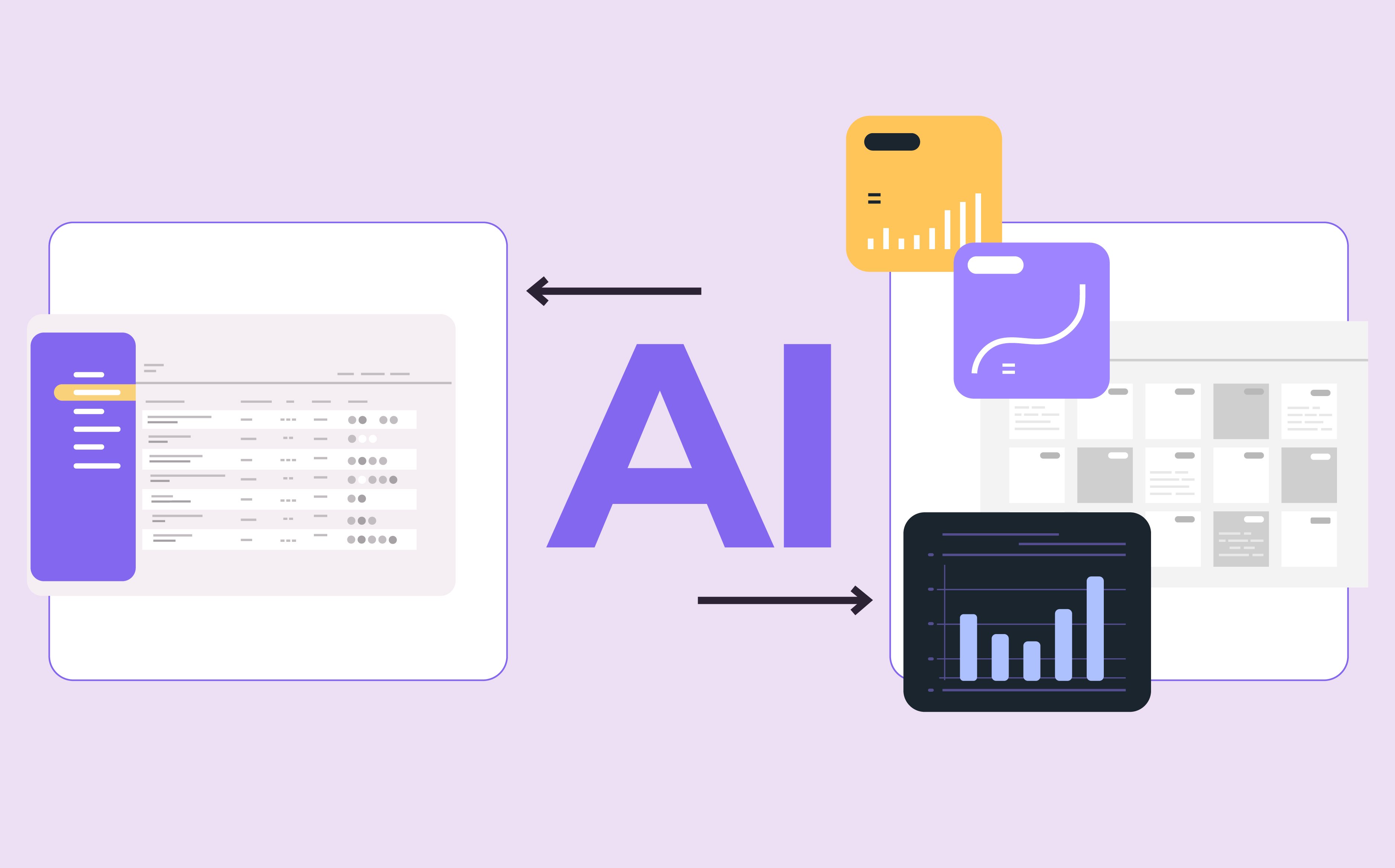
AI built into the core inherits that starting point. It can summarize a claim file or flag a risk once the data is there. It can't read a broker's email or sort a claim packet, because that work happens before the core sees anything.
That doesn't make core vendor AI the wrong tool. When a task lives entirely inside one core, like reviewing adjuster notes or suggesting reserves, the vendor's built-in feature may fit well. For a broader look at the trade-offs, see how specialized insurance AI compares with AI built into core systems.
Timing matters for planning too. Many embedded AI features require the vendor's latest release, and core upgrades run on multi-year cycles. Insurance AI at the inbox doesn't wait on either, so value arrives sooner. Bevaya deployments typically go live in 4 to 8 weeks.
Some of Your Premium Runs Outside Any Core System
Many insurers run several policy and claims systems after acquisitions, but even a single core leaves work out. Some of the work that matters most never touches a core system at all. Rating spreadsheets, MGA and TPA platforms, and bordereau reconciliation all carry real premium. Few of them appear on the target-state architecture diagram, and none of them get help from AI built into the core.
Bordereaux show the cost most clearly. Teams often reconcile them by hand. One reinsurance MGA's technical accountant spent about a month every quarter on them, and the delay caused the MGA to miss a Lloyd's remittance deadline that later showed up in its audit.
Rating works the same way. Underwriters pull data from the submission, third-party sources, and state websites into a spreadsheet to price a risk, then key the result into the core. AI built into the core never sees that step.
That gap hits the business case directly. If the AI only reaches work inside the core, it misses premium the business case assumed it would touch. When AI can't reach that work, people work around it, and the ROI goes with them.

How to Choose Where Insurance AI Starts First
The right first AI investment is the one with the most ROI, not the one that feels safest. Many insurers pick a low-risk use case to prove they can do AI. That proves the technology works but rarely moves the business.
Tie the choice to the outcome the business needs. If the goal is growth, look at how fast your teams turn submissions into quotes. If it's cost, look at where staff spend the most hours on manual intake. Either way, intake is often the strongest place to start insurance workflow automation because the volume is high and the work is manual.
For underwriting, that means Submission Intake. For claims, it means FNOL/FROI Setup and claim document indexing.
Ownership matters as much as the use case. Ask who owns the result. If the innovation team still owns it, the project is a pilot. If the head of underwriting or claims carries it in their numbers, it's real.
Budget for the work around the model too. Only 11% of insurers say their data and governance are ready to take AI past the pilot stage, and insurance AI results depend on process quality. Fund the data cleanup and change management alongside the AI, because that's what makes it stick.

The core system will stay where insurers record transactions, but the work that feeds every underwriting and claims decision starts in the inbox. Core vendor AI has a role once the data is in the system. Put the first AI dollars in the inbox, on the intake process that carries the most volume and cost, and give a business leader ownership of the result.