


The Customer
A national commercial insurance carrier with more than 1,000 employees and over $2 billion in premium volume serves customers across all 50 states through a network of 6,000+ independent agents and brokers.
The Situation
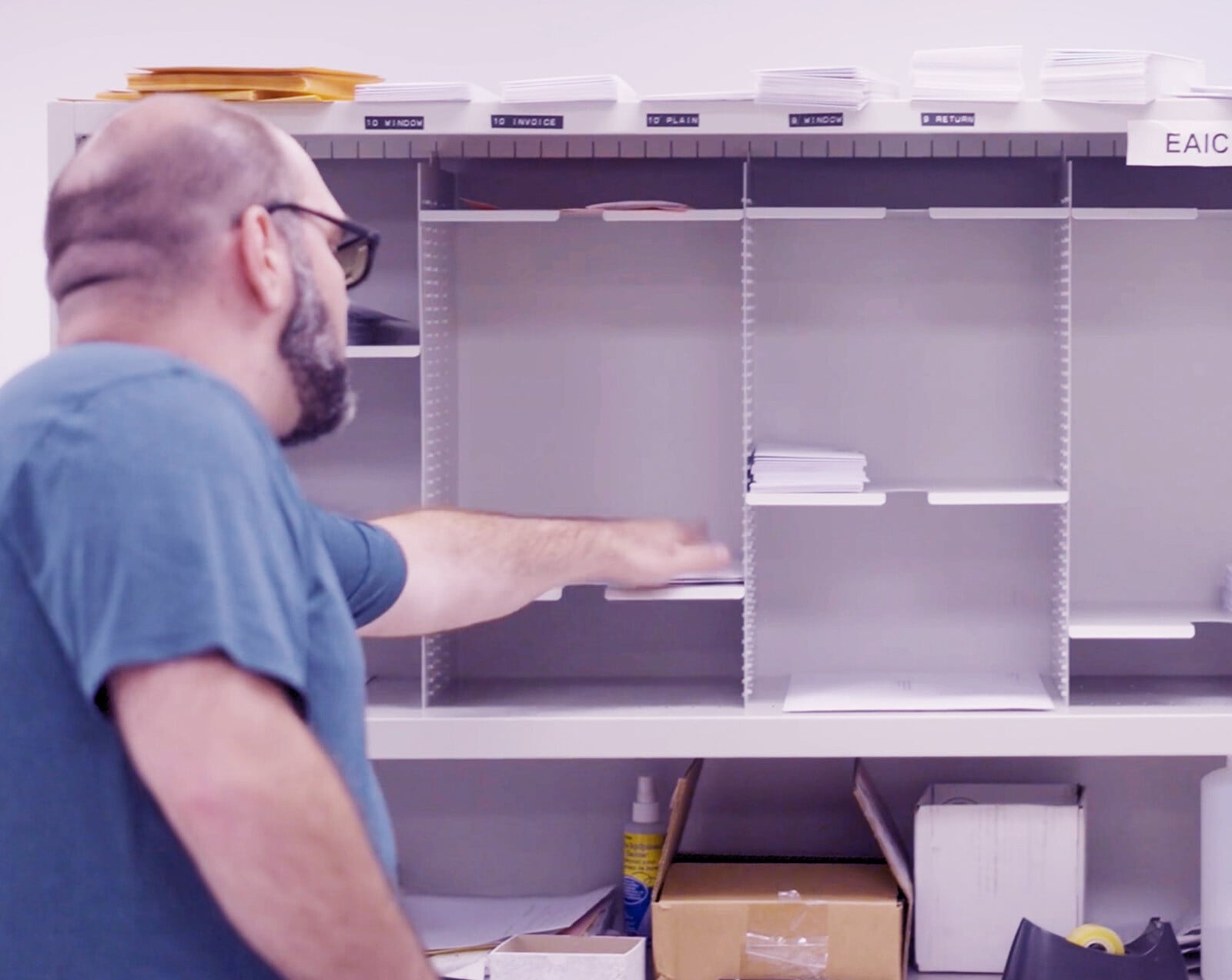
The carrier receives 3000+ correspondence items per day via email, mail and fax – which hits a 14-person Imaging team first.
Imaging and classification of an item is a multi-step process and includes: extracting claim information to search for and identify the existing claim in the claim system; renaming the item for easy identification by the adjuster; identifying if there are legal demands; and categorizing the type of correspondence into 1 of 15 categories. The imaging team works to meet a same-day SLA, meaning all incoming items for the day are imaged and sent to the claim file the same day.
The Challenge
The adjuster’s workflow is dependent on the speed of the imaging team. The faster the adjuster receives the necessary correspondence from the imaging team, the faster the adjuster can follow up with the claimant. This is crucial for our Customer to maintain high quality customer service.
Prior to working with Bevaya, the carrier relied on manual processes to classify and index claims-related documents, a time-consuming effort that could take up to 72 hours per document. This lag significantly impacted adjusters’ ability to respond to customer inquiries and often caused them to miss critical legal or time-sensitive demands due to the overwhelming document volume.
Their goal was to improve response times (from 24 hours to 1 hour) around claims correspondence - to offset rising leakage without having to hiring the estimated 7 additional FTEs to accomplish this manually.
The Solution
To address these challenges, the carrier implemented two Bevaya AI agents:
An AI Agent for Claims Indexing and Classification
The carrier chose to use a Bevaya AI agent for Claims Indexing due to its ability to ingest and make sense of a significant amount of data held within structured & unstructured claims documents. For each piece of correspondence, the AI agent reads and extracts the relevant claim detail. It then searches for and identifies the existing claim in our Customer’s claims system and then categorizes the item and routes it to the relevant adjuster. The imaging team is now solely responsible for reviewing exceptions items that the Claims Indexing AI Agent gives a low confidence score for and asks for assistance.
An AI Agent for Legal Demand Identification
The Bevaya Legal Demand AI Agent ensures quick identification and proper routing of legal demands through a specially tuned AI model that categorizes each document into one of 25 specific types, including First Notice of Demand, Demand Correspondence, Counter Offer, Subpoena, Petition, Notice of Hearing, Notice of Representation, Deposition, Mediation, Court Filing, and Affidavit. Once categorized, the AI agent automatically extracts critical data elements such as Demand Due Date, Demand Amount, Date of Loss, Claimant Name, and Policy Number from each legal demand, then uses this information to update the claims system and notify both the adjuster and legal team.
The Impact
- SLA Target Achieved: The carrier was able to reach their SLA goals and avoided any headcount increase.
- 'Best in Class' Claims Correspondence No-Touch Rate: With over 500,000 claims documents processed at a 98%+ no-touch rate, the carrier freed team capacity that equaled 6 FTEs.
- Legal Demand No-Touch Rate Increased Dramatically: Over 5,000 legal demands were identified and automatically processed with a no-touch rate of nearly 80%.
Frequently asked questions
How does a Claims Indexing AI Agent handle claims correspondence?
For each piece of correspondence, it reads and extracts the claim details, finds the existing claim in the claims system, categorizes the item and routes it to the right adjuster. The imaging team only reviews items the AI Agent flags with a low confidence score.
How are legal demands identified?
A Legal Demand AI Agent sorts each document into one of 25 types, such as First Notice of Demand, Subpoena or Notice of Representation. It extracts details like the demand due date, demand amount and date of loss, updates the claims system, and notifies the adjuster and legal team.
What results did the large insurer see?
Over 500,000 claims documents processed at a 98%+ no-touch rate, freeing capacity equal to 6 FTEs, and over 5,000 legal demands processed at a no-touch rate of nearly 80%.