
Somewhere in your organization, someone is pasting a loss run into a free chatbot. They're not being careless. They're trying to get through the work, and the chatbot is faster than the tools they have today.
That's shadow AI in insurance, and it's already inside the building. Shadow AI is the use of AI tools an organization hasn't approved, outside the security controls and records regulators expect insurers to keep. For carriers, brokers, managing general agents (MGAs), and third-party administrators (TPAs), the fix is governed AI that does the same job better, so the workaround loses its appeal.
The problem grew fast this year. IBM's 2026 Cost of a Data Breach Report found shadow AI played a part in 43% of security incidents, up from 20% the year before. Like the house in every horror movie, most organizations don't know what's inside until something goes wrong.

What Is Shadow AI in Insurance?
Shadow AI in insurance usually looks like everyday work done in an unapproved tool. Think of an adjuster summarizing a medical record, an account manager drafting an endorsement email, or an underwriter pulling figures out of a submission.
Shadow AI also shows up in tools that look harmless. A browser extension that rewrites emails, a note-taker that joins claim calls, or an AI feature switched on inside a familiar app can all send policyholder data outside the insurer's controls. Because these tools arrive one employee at a time, most organizations don't have a full list of what's in use.
The intent is good, but nothing protects the data. Once policyholder information goes into a public tool, the insurer can't see where it went, how long it stays, or whether it trains someone else's model.
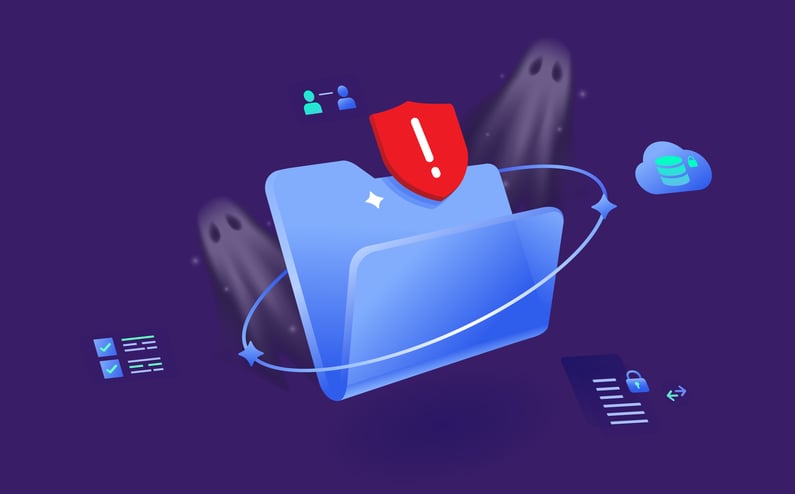
Why Shadow AI Risks Haunt Insurers More Than Most Industries
Insurers handle highly sensitive data on every claim and submission, which makes shadow AI risks heavier here. One claim file can hold medical history, Social Security numbers, bank details, and litigation strategy. One submission can hold a commercial client's full loss history.
Three things raise the stakes in insurance:
-
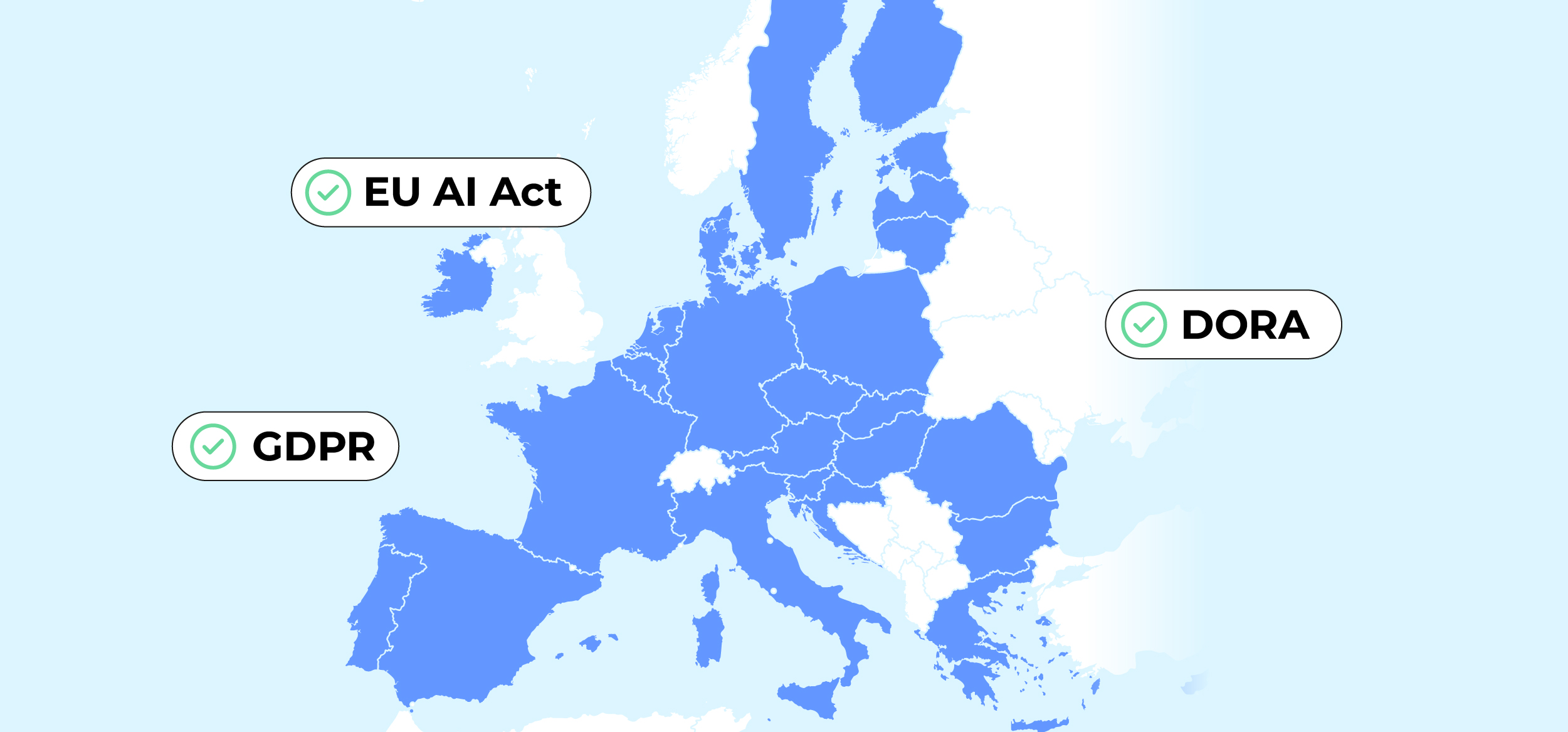
Regulators expect a record. The National Association of Insurance Commissioners (NAIC) model bulletin on AI, now adopted by more than half of U.S. states, asks insurers to document how they use and govern AI. A chatbot session in a personal browser leaves nothing to produce.
-
Errors spread quietly. A general-purpose chatbot can misread a reserve or a policy number and sound confident doing it. Without a reviewer checking the output, the mistake can land in a quote or a claim decision.
-
Breaches cost more. Financial services breaches averaged $6.3 million in IBM's 2026 report, well above the $4.99 million global average.
The state AI rules keep tightening, but none of them can govern a tool the insurer doesn't know exists.
Shadow AI Is a Demand Signal Worth Answering
Shadow AI in insurance shows leaders exactly where the work hurts. If underwriters keep pasting loss runs into chatbots, loss run review is too slow. If adjusters summarize records on their own, claims teams need help reading files faster. If premium auditors run payroll reports through a free AI tool, the team is buried in audit documents that arrive in hundreds of formats.
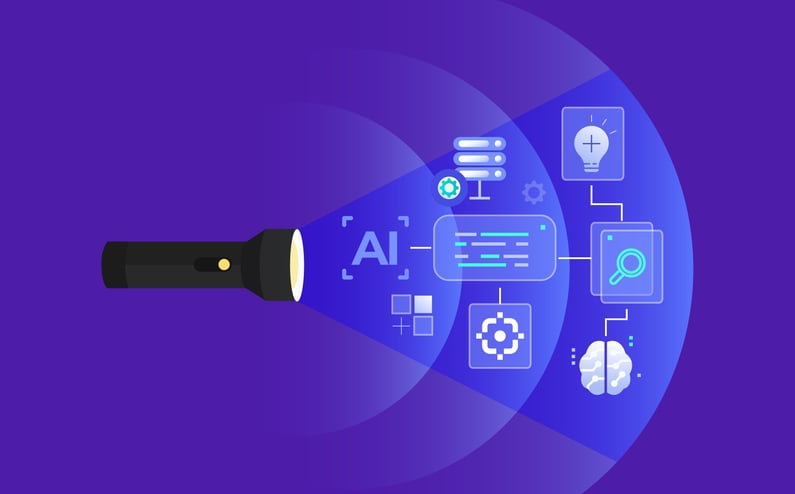
Treat it as a flashlight pointing at your best AI use cases. Your employees already found them. Leadership's job is to replace each workaround with something safe.
The instinct is to shut it all down. Blocking every public AI tool feels decisive, but it rarely works on its own. Employees who need the help will find it, often on a personal phone where IT has no visibility at all.
A better move is to give teams a sanctioned option right away, even if it isn't perfect yet. An approved tool that covers the most common tasks pulls work back into systems you control, and you can expand it as you learn what teams need. Waiting for the perfect rollout leaves the workarounds running in the meantime. .
How an Insurance AI Platform Brings Shadow AI Into the Light
Sanctioned AI beats shadow AI in insurance when it's faster and more accurate than a generic AI tool. A governed insurance AI platform does that by keeping data inside controlled systems while handling the insurance-specific work that other AI gets wrong.
Look for these capabilities:
-
Insurance-trained models. General-purpose AI never trained on loss runs, ACORD forms (the industry's standard applications and certificates), or claim files, so it guesses. Insurance-trained models like InsurGPT™ score 93% accuracy on loss runs in head-to-head benchmarks, against 84% for the best general-purpose model tested.
-
Isolated data. Your data should never train models for another company.
-
A full audit trail. The platform logs every extraction, recommendation, and reviewer decision, so you can show regulators how it reached each result.
-
Role-based access. Each team sees only the data its work requires.
-
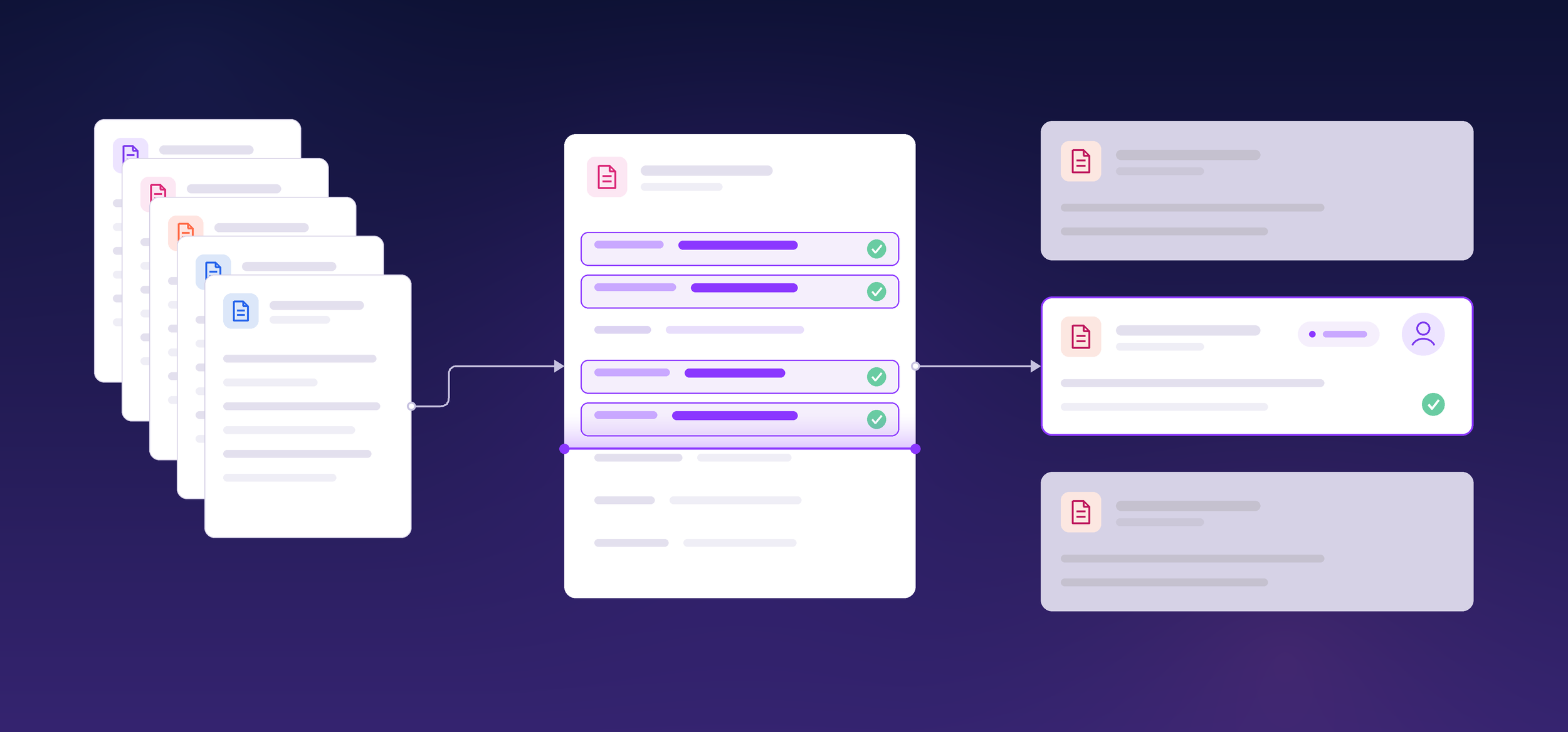
Human-in-the-loop AI. Low-confidence results route to a person for review instead of flowing straight into a decision.
When the approved option is also the faster one, employees stop looking for workarounds. The same work still gets done, but it now runs in one place leaders can see, measure, and explain to a regulator.
Responsible AI in Insurance Starts With Tools Teams Want to Use
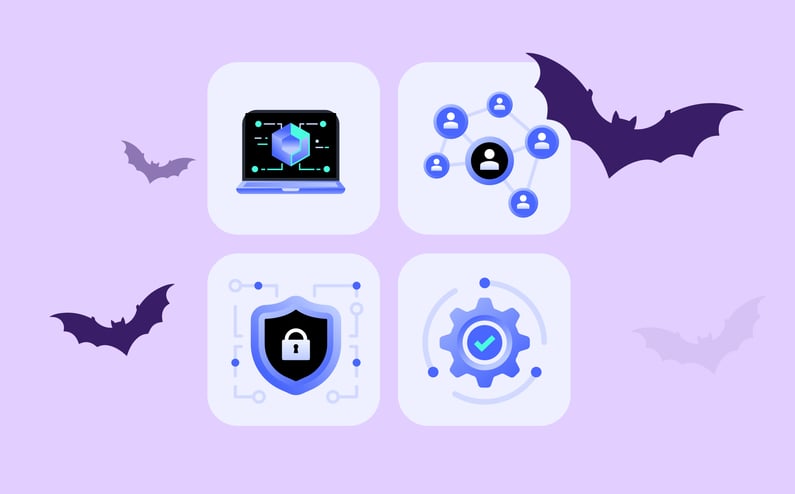
Responsible AI in insurance means giving teams a governed option that's easier than the risky one. These four steps turn shadow AI into a deployment plan:
-
Ask before you audit. Survey teams on which AI tools they use and why, and promise no penalties for honest answers.
-
Rank the workarounds. Sort them by how sensitive the data is and how often the task happens.
-
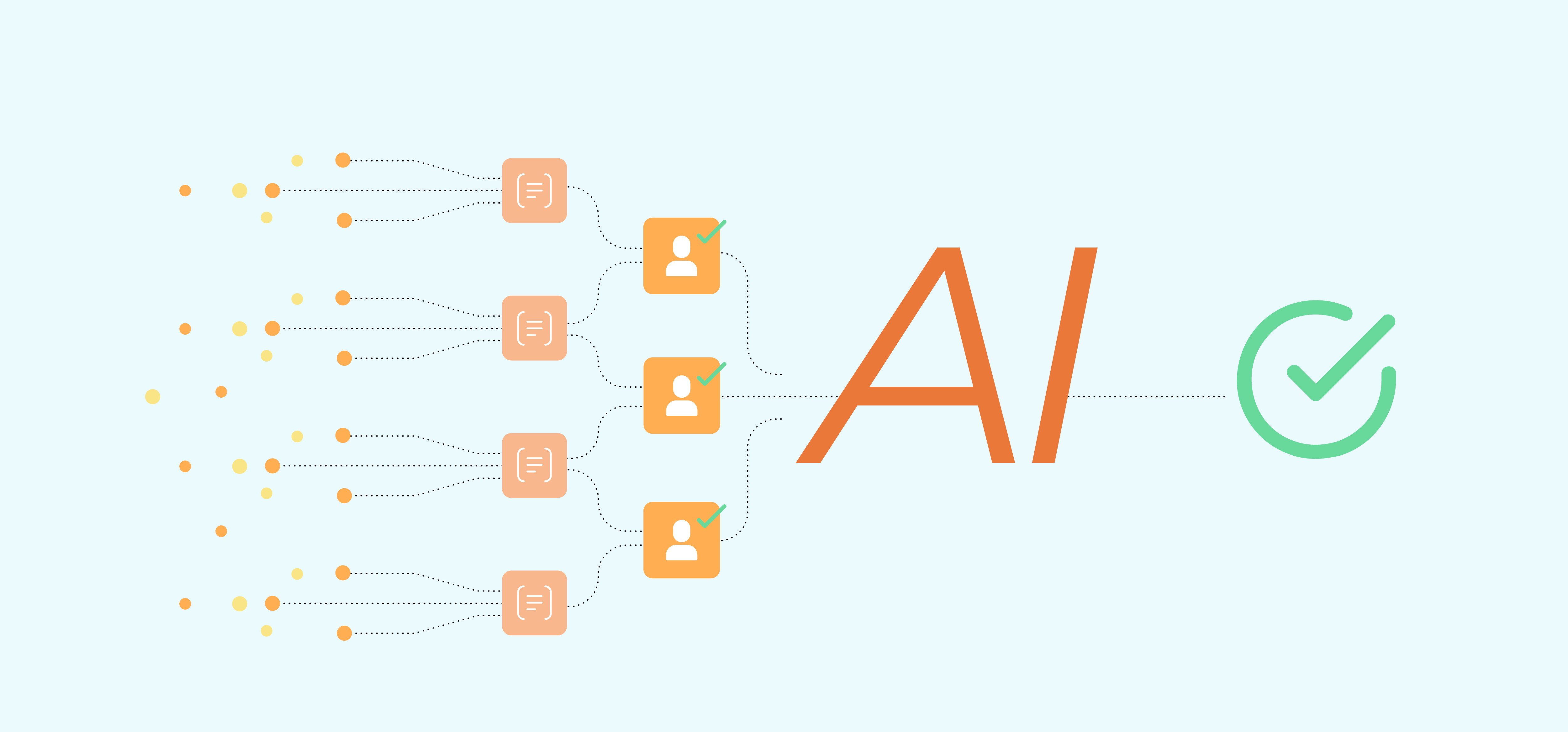
Replace the top few with AI agents. These handle a specific task inside your systems and under your rules. Start where sensitive data and high volume overlap.
-
Publish a clear policy. Name the approved tools, explain what data can go where, and update it as new tools arrive.
IT leaders own the architecture, but this work only sticks when business leaders help pick the use cases.
Shadow AI isn't a monster under the bed. But it won't go away on its own, and no policy will make the work behind it disappear. The fastest way to shrink it is to find the tasks your team keeps handing to public AI tools and give them an approved tool that does the job better. Start with the workflow where the data is most sensitive, and bring the rest into the light from there.