

Insurance claims automation: Every claim file ready before your adjuster opens it.
From FNOL to close, our AI agents set up new claims, file incoming mail, read medical bills and demand letters, check coverage, and write file summaries, all inside the claims system your team already uses.
Your adjusters make every call.


How does AI claims automation work?
AI claims automation, also called automated claims processing, uses AI agents to do the reading, checking, and setup work on every claim. Our AI agents open new claims from loss notices, file every piece of incoming mail to the right claim, pull the facts from medical bills and demand letters, and write file summaries, so adjusters start every claim ready to decide.
Bevaya’s AI agents run on InsurGPT™, its own specialized insurance AI models trained on 300M+ insurance documents, with a verifier model checking every answer.
- Faster first contact: claims set up in minutes, so policyholders and claimants hear back sooner
- More capacity: adjusters spend their day on coverage, reserves, and people
- Less leakage: duplicate claims and billing errors caught before payment
- Human review where it matters: confidence scores send uncertain values to your reviewers
How Bevaya helps every role on your claims team
Claims teams are handling more complex files with fewer senior people. Our AI agents take the reading, checking, and setup off their desks, and your people keep every decision.
 Claims leaders
A consistent, defensible book
- Coverage positions consistent across adjusters
- Every action traceable for audits and exams
- Room to absorb growth and CAT without hiring
 Adjusters
Start every claim with the facts
- New claims arrive set up and briefed
- Summaries ready for policyholder updates, broker briefs, and handoffs
- Every fact linked to its source page
 Supervisors & counsel
Consistent files, fewer surprises
- A summary of any file in 2 minutes
- Demand deadlines and coverage triggers caught early
- Reassigned files arrive with their history
 Claims operations
Capacity without new hires
- Volume spikes and CAT season absorbed
- Queues routed by your rules and authority
- Steady through nights and weekends
Insurance-trained AI agents for every stage of claims handling
When something lands on your claims desk, an AI agent does the reading and setup, and your adjuster gets the result. Every AI agent runs on InsurGPT™, our own specialized insurance AI models.
Setup and assignment
 New claim set upReady for the adjuster
A loss notice arrivesThe AI agent sets up the claim, assigns it, and briefs the adjusterFNOL / FROI Setup
How it works
- Loss notice received by email, portal, or mail
- Key facts extracted
- Policy verified for the date of loss
- No duplicate claim found
- Claim created and assigned with a briefing
Mail lands in your claims inboxThe AI agent reads each document, files it to the right claim, and routes it to the adjusterClaim Indexing
How it works
- Mail read and classified
- Tied to the right claim
- Missing claim numbers looked up
- Routed to the right adjuster
Investigation and evaluation
 File reviewedReady for your decision
Coverage needs a first lookThe AI agent compares the claim to the policy and cites relevant clauses for the adjuster’s coverage reviewClaim to Policy Comparison
How it works
- Policy in force pulled
- Limits, exclusions, and endorsements checked
- Relevant clauses cited for the adjuster’s coverage review
- Initial reserve recommended with rationale
A medical bill comes inThe AI agent reads the codes and charges on the bill, checks them for errors, and readies it for bill reviewMedical Bills
How it works
- Codes and charges captured
- Checked against national databases
- Duplicates and errors flagged
A demand letter landsThe AI agent captures the amount and deadline and sends the demand to the right deskLegal Demands
How it works
- Amount and response deadline captured
- Tied to the claim
- Urgent demands sent to a priority queue
The file keeps growingThe AI agent summarizes the whole file into a brief for the adjuster, supervisor, and counselClaim File Summarization
How it works
- Whole file read and cross-checked
- Loss timeline rebuilt
- Subrogation and recovery signals flagged
- Brief for adjuster, supervisor, and counsel
Settlement and payment
 Invoice checkedReady to approve
A vendor invoice arrivesThe AI agent checks the invoice against the fee agreement and sends it for approvalInvoice Payment Processing
How it works
- Defense, IME, and repair invoices tied to the claim
- Checked against the fee agreement and authority
- Routed to the right approver
Have another workflow in mind? We build AI agents around your exact process. Talk to an expert →
Built for every line of business you handle
Our AI agents are trained on claims documents and their context, so they work across your lines of business, from workers’ comp to liability.
 Injury report readReady for the adjuster
Workers’ compensation
Every new injury claim set up with the details adjusters need.
- First and subsequent reports of injury
- CPT and ICD-10 codes read from medical bills
- IME and nurse case reports
- Body part, nature of injury, and treating provider
 Repair estimate checkedReady for review
Commercial and personal auto
Physical damage and bodily injury files kept moving.
- Police reports and repair estimates
- Medical bills on bodily injury claims
- Attorney letters and time-limited demands
- Repair, towing, and rental invoices
 Proof of loss readReady for the adjuster
Property and homeowners
Ready for CAT season, when volume spikes overnight. Our property FNOL customer saves 36,000+ hours a year.
- Proof of loss and photos
- Contractor estimates, including Xactimate reports
- Mitigation and restoration invoices
- New losses set up around the clock
 Demand capturedDeadline flagged
General and professional liability
Suits, demands, and coverage questions handled with care.
- Suits, demands, and notices of representation
- Defense counsel invoices against billing guidelines
- Claims-made policies with retro dates and tail coverage
- Coverage findings cited to the clause
What results can AI claims automation deliver?
Our customers have seen up to 246% ROI in six months, up to 85% more claims team capacity, and up to $1.3M a year in avoided costs. AI agents set up claims faster, give your team more capacity, and catch leakage before payment. Results vary by workflow and starting point.
How do our AI agents compare to other ways of handling claims work?
Our AI agents read, index, and organize every claim document end to end, so adjusters spend their time on coverage, investigation, and the people they serve. Here is how that compares with the other ways carriers handle the same work.
| Approach | Where it falls short |  How our AI agents handle it |
|---|---|---|
| Manual review | Adjusters read every document and re-key the data. Capacity is limited by headcount. | Our AI agents read, index, and extract every document first. Adjusters start from an organized claim file, with every value linked to its source. |
| BPO and outsourcing | External teams set up claims and file mail. Costs recur and the process knowledge sits with the vendor. | Our AI agents do the intake work inside your claims system, and your team keeps control of the process. |
| RPA and OCR | Bots need a fixed template. A new form, bill, or demand layout breaks them and the rules need constant repair. | Our AI agents read FNOLs, medical bills, demands, and correspondence in whatever format they arrive. |
| General AI and LLMs | Not trained on insurance. Accuracy drops on claims documents and results are hard to verify. | Powered by InsurGPT™, our own models trained on insurance work: 98%+ accuracy, against 62% for the best general AI model. Every field links to its source. |
| Document software (IDP) | Pulls text off the page without knowing what it means for a claim. | Our AI agents understand the claim file and pull the exact details the adjuster needs to act. |
| Single-stage insurtech tools | Cover one step, so your team stitches several tools together. | One platform across claims, underwriting, and policy servicing, working inside the systems you already run. |
Sits on top of the systems you already run
Our AI agents connect to your claims system, policy admin, and document management. No rip and replace, and your adjusters keep working in the screens they use today.
- Reads what comes in: email, mailroom scans, portals, fax, and SFTP, the way claim documents arrive today
- Writes to your systems: indexed documents and verified data go straight into your claims system
- Keeps your team in the loop: updates and review requests go to Outlook, Teams, or Slack
Pre-built connectors for Guidewire, Salesforce, Outlook, and SFTP, plus an API for everything else, including homegrown systems.
AI agentsRead, index, and route every claim document
- Claims system
- Policy admin
- Document management
- Data warehouse

We partner with you to ensure your success
Founded by insurance operators, our team brings deep insurance experience to every rollout. Our insurance and AI experts work alongside your claims team to design the workflow, build the AI agent, and bring it into production.
- Discover and design: We map how claim documents move through your operation today.
- Build and validate: We tune the AI agent to your business rules and test it on your claim files.
- Live and improve: Accuracy is monitored and improves with your reviewers’ corrections.
- A team that stays with you: One named team for performance, changes, and your next workflow.
Prefer to build it yourself? Your team can build on our platform directly, or work with your consulting or systems integration partner.
How is AI claims automation different from claims management software?
Your claims management system, such as Guidewire ClaimCenter or Duck Creek, is the system of record. Our AI agents do the work that feeds it: they open claims, index documents, read bills and demands, and write summaries straight into that system, so your team keeps working where it already does.
What is the difference between AI agents and OCR for claims?
OCR digitizes text. Our AI agents make the claim file ready to work: they read every document, tie it to the right claim, extract the data, and send it to your claims system.
Which claims workflows can you automate?
FNOL and FROI setup, claim indexing, claim to policy comparison, medical bills, legal demands, claim file summarization, and vendor invoice payment. Our workflow experts also build AI agents for workflows specific to your operation.
What AI models power your AI agents?
InsurGPT™, Bevaya’s own system of specialized insurance AI models. Each model is built for one insurance job, such as reading medical bills and EOBs, extracting FNOL and other forms, splitting merged mail PDFs, or reading handwriting, faxes, and low-quality scans. The models were fine-tuned on 300M+ non-public insurance documents, with months of annotation by insurance experts for each document type, and a separate verifier model checks every answer against the source. That depth is why InsurGPT™ outperforms general AI models on insurance work: 98%+ accuracy, against 62% for the best general model.
What should claims leaders ask AI vendors about accuracy?
Ask how well the model reads the fields that tie a document to a claim, such as claim number, policy number, claimant, and date of loss, and ask to see results field by field. One wrong claim number barely moves a headline accuracy figure but puts the whole record in the wrong file. We publish our results field by field on our benchmarks page.
Will AI replace claims adjusters?
No. Our AI agents take on the reading, checking, and setup, so adjusters spend their time on coverage, reserves, negotiation, and the people involved in the claim.
Where should we start?
Where your team feels the most pain. In the first working session we look at your pending caseloads, cycle times, and where adjusters lose the most hours, then start with the workflow that pays back fastest and add the next on the same data.
How do carriers measure ROI from claims AI?
Set a baseline before go-live, then track the same numbers after: time from FNOL to assignment, share of claim documents handled with no human touch, adjuster hours spent on setup and data entry, call-backs for missing information, claim cycle time, and leakage caught before payment. Our customers get FNOL into adjusters’ hands in under 5 minutes and claim documents ready in under 2 minutes, 95%+ with no human touch.
How does it support AI governance reviews?
Every action our AI agents take is logged with what was read, what was done, and who reviewed it. Coverage findings are cited to the policy clause. That record is ready for market conduct exams, AI governance reviews under the NAIC Model Bulletin, reinsurers, and bad faith defense.
Keep exploring
All claims articles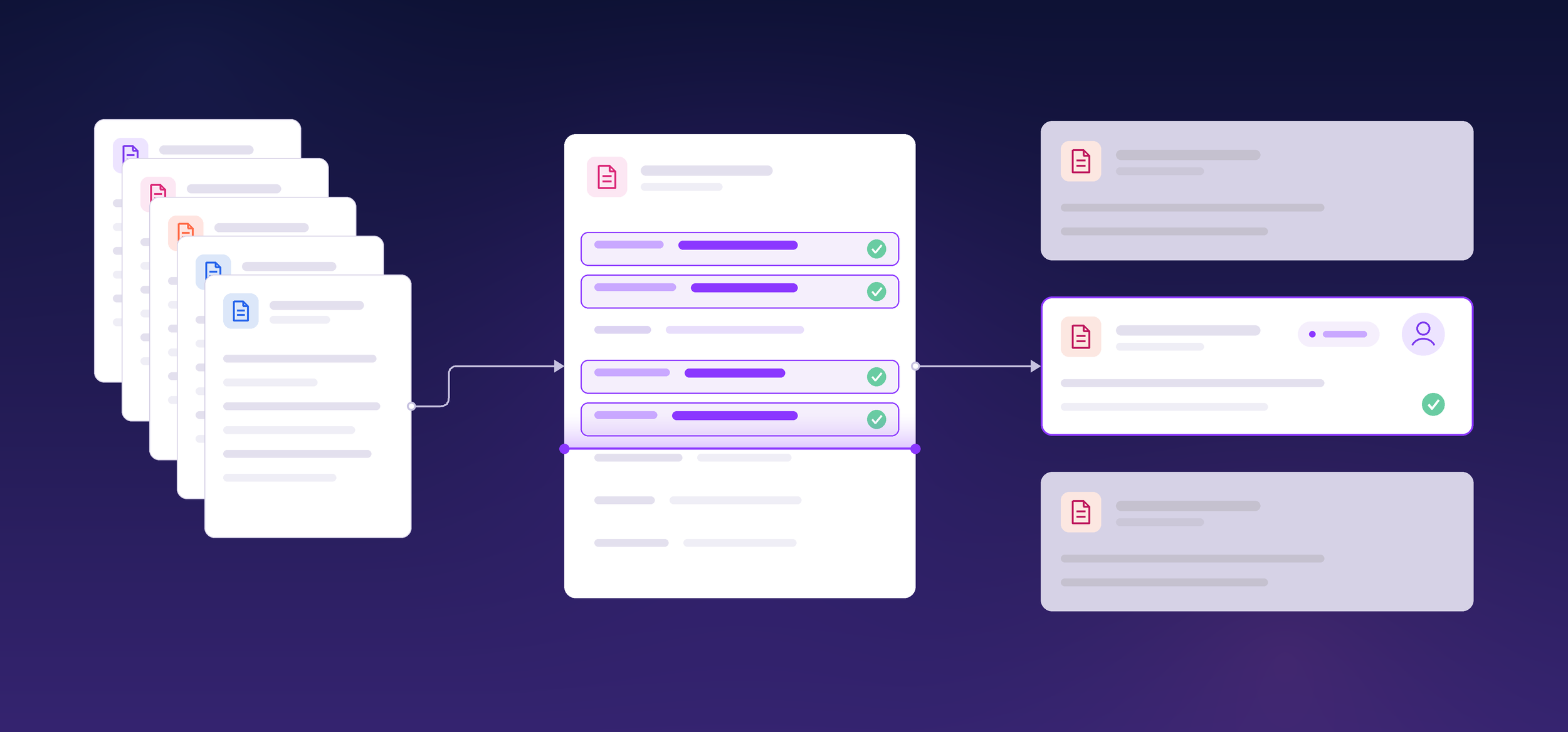
Why claims AI needs insurance-trained models, not general AI
The accuracy gap on the fields that tie a document to the right claim.
Read
How claims teams can work smarter (not harder) with AI
Where AI helps across a claim, and where your experts add the most value.
Read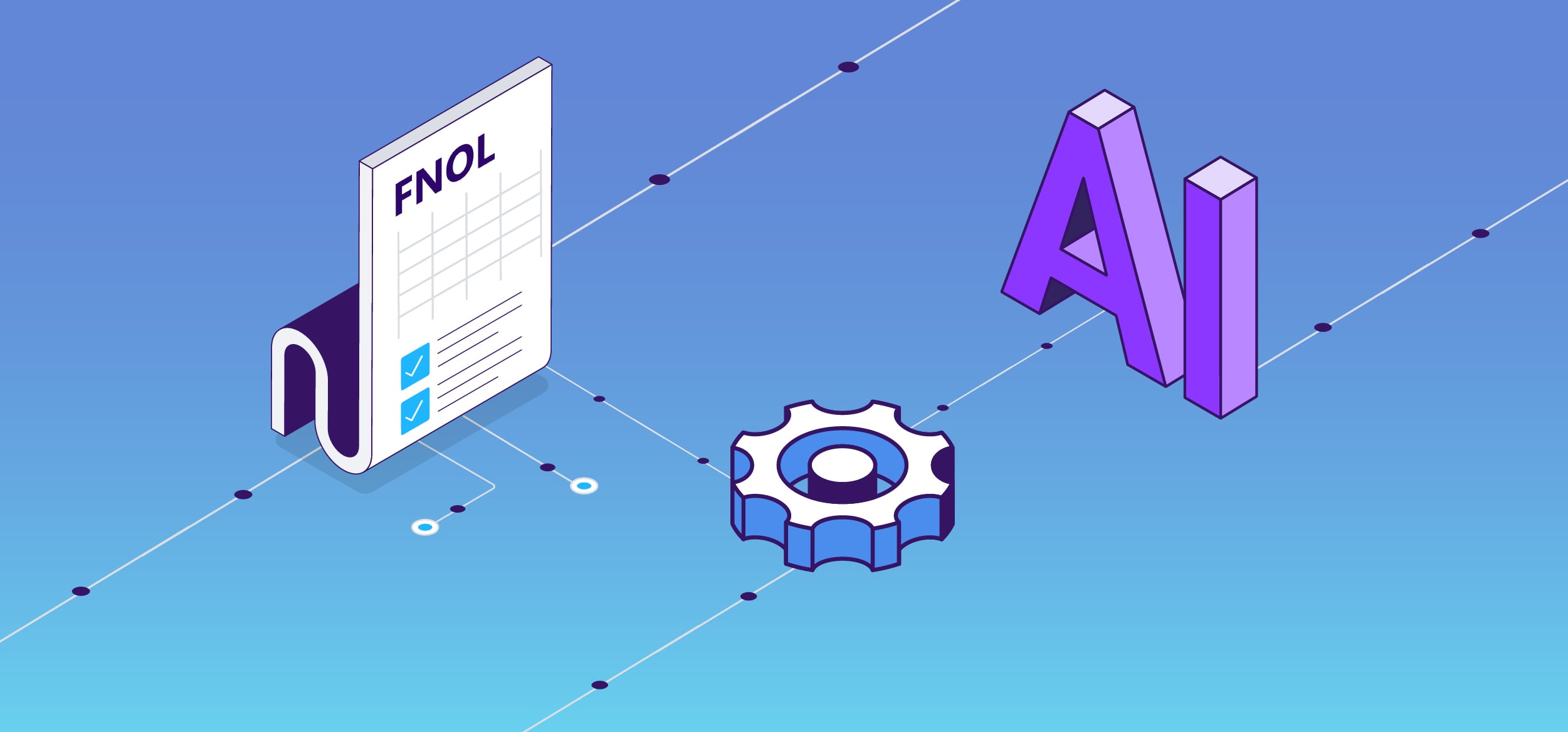
Can you automate FNOL without losing accuracy?
What accurate FNOL automation takes, from field checks to human review.
Read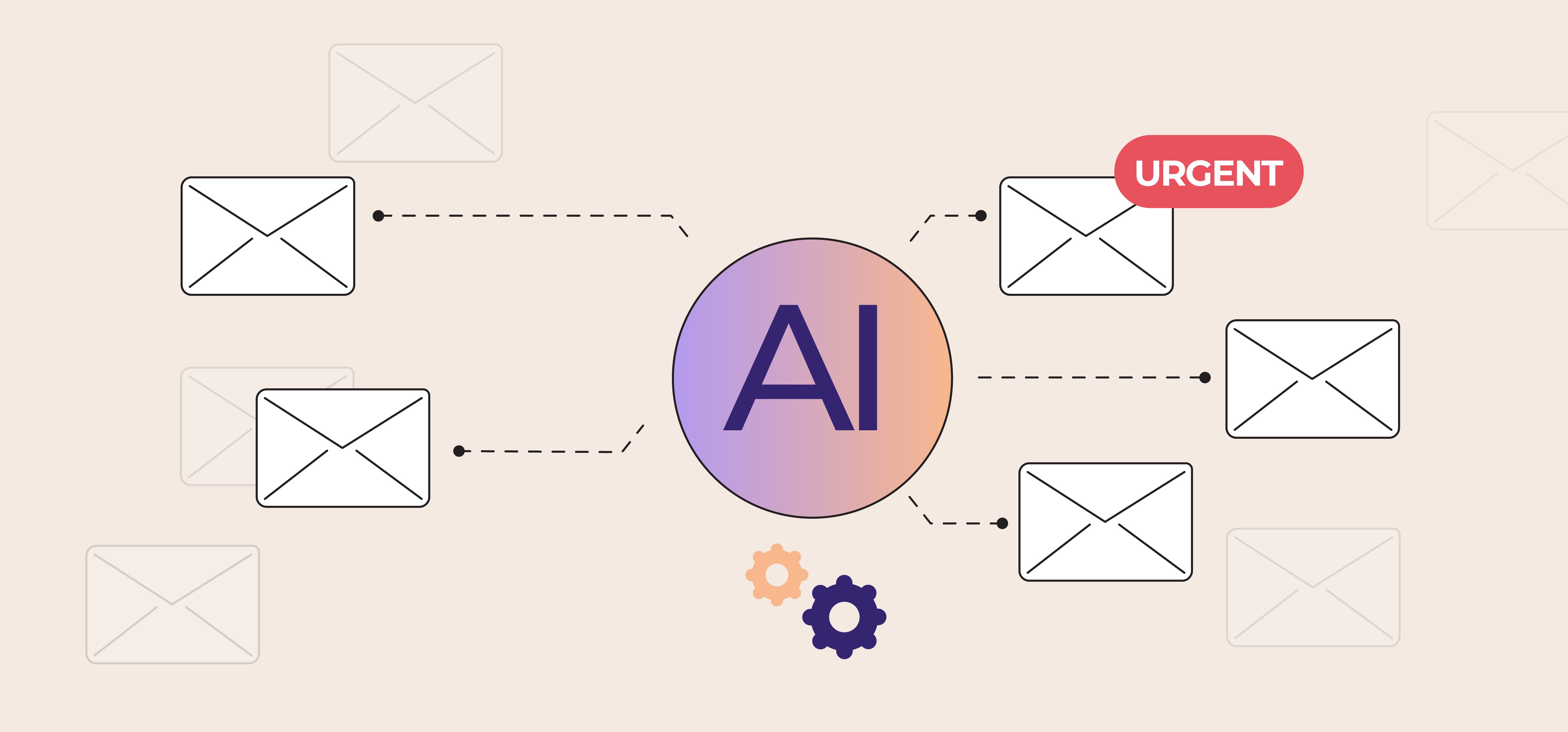
How AI extracts and routes legal demand details in insurance claims
From the Friday afternoon inbox to the right adjuster in minutes.
Read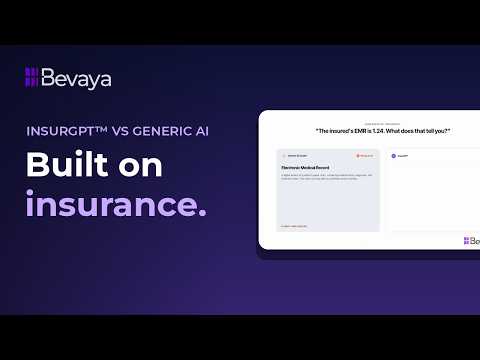
InsurGPT™ vs generic AI on insurance work
See how our own AI models read insurance documents.
Watch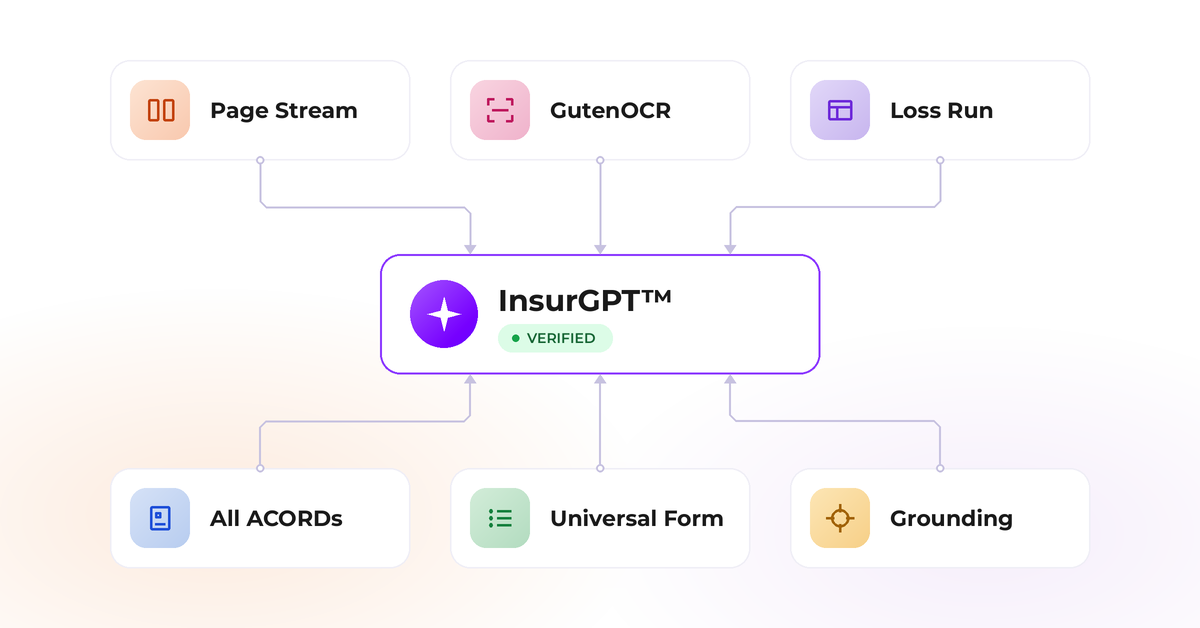
InsurGPT™: the AI models behind every AI agent
How our specialized insurance models work, and why they outperform general AI.
ReadPut your claims AI workforce to work in 4 to 6 weeks.
Our workflow experts map your process with you and redesign it around AI agents, so your adjusters spend their time on decisions.